Dancing Skeletons Halloween Party Design Review
As an embroidery designer who has spent countless weekends behind a craft fair table, I have learned that the difference between a browsing customer and a buying customer often comes down to visual impact. When I first loaded the Dancing Skeletons Halloween Party design into my software, my immediate reaction was one of relief mixed with excitement. In a market saturated with generic pumpkins and spooky text, this machine embroidery design offers a playful, dynamic energy that stands out without being overly macabre. It strikes a balance between festive fun and decorative charm, making it a versatile asset for any handmade product line targeting the autumn season.
First Impressions and Visual Appeal
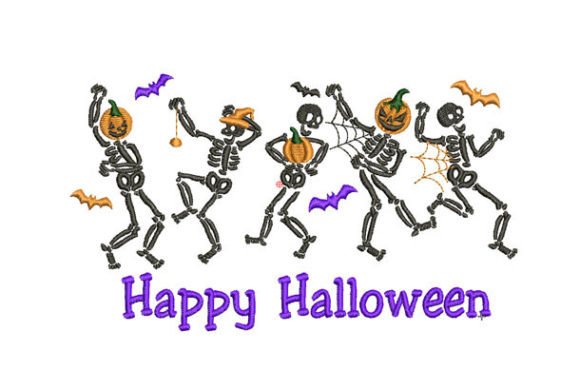
The title alone suggests movement and celebration, and the design delivers on that promise. These are not static, scary skeletons; they are lively characters that bring personality to fabric. For a craft fair product, this is crucial. Customers at handmade markets are looking for items that spark joy or conversation. The whimsical nature of these dancing figures makes the design feel approachable and cute rather than frightening. This broadens your potential customer base significantly, allowing you to sell to families, young adults, and anyone who enjoys lighthearted holiday decor. The visual appeal is high because it tells a story in a single glance, which is essential for catching the eye of a passerby in a busy aisle.
Strategic Product Placement for Maximum Sales
When planning my booth display, I always consider which items serve as the best canvas for a specific embroidery file. For Dancing Skeletons Halloween Party, I see immense potential across several categories. The most obvious choice is the tote bag design. A sturdy canvas tote with these skeletons dancing across the front becomes an instant bestseller. It is practical, reusable, and serves as a walking advertisement for your brand. Similarly, apron embroidery is a strong contender. Home cooks love festive kitchen gear, and a high-quality apron featuring this design adds significant perceived value to a small shop product.
Do not overlook smaller items. Tea towel embroidery allows you to offer lower-priced impulse buys. Because the design features multiple figures, it can be scaled down effectively for kitchen linens without losing its charm. Additionally, creating an embroidered patch version of this design is a smart move. Patches are low-risk for customers and allow them to customize their own jackets or bags later. This versatility makes the design a cornerstone of a diverse Halloween collection.
Production Practicality and Batch Efficiency
From a production standpoint, time is money. One of the strongest aspects of this design is its repeatability. For commercial embroidery success, you need designs that stitch out reliably and quickly. While I do not have the exact stitch count from the description, the concept of "multiple embroidery files" suggests that the designer has likely optimized the pattern for various hoop sizes. This is critical for batch production. If you can hoop four tea towels at once or run two tote bags simultaneously, your profit margin increases substantially.
However, practical judgment is required. You must evaluate the stitch density. Dense areas can cause puckering, especially on lighter fabrics like cotton tea towels. Conversely, if the design is too sparse, it may look cheap on heavy canvas. I recommend running test stitches on scrap fabric that matches your final product material. Pay close attention to the thread colors you choose. High contrast is key for visibility. White or neon threads on dark fabric will make the skeletons pop, while muted tones might get lost. Always check the clarity of the design at different scales to ensure the "dancing" motion remains visible and does not turn into a blob of thread.
Navigating Technical Challenges
Every designer faces technical hurdles, and this design is no exception. When working with textured materials, such as waffle-weave towels or thick denim, the details of the skeletons’ limbs might get lost. In these cases, using a cut-away stabilizer is non-negotiable to maintain shape and prevent distortion. For curved surfaces like caps, you must be cautious. The design needs to be centered perfectly, and the curvature of the cap can distort the image if the hoop size is not appropriate. I advise against using this specific design on very small, curved items unless you have confirmed that the smallest included file retains its integrity.
Another consideration is the fabric texture. Smooth cottons and poly-blends yield the crispest results. Avoid highly textured or fuzzy fabrics where the fine details of the skeleton’s bones might merge with the fabric pile. If you are selling to an Etsy seller audience or directly to consumers, the finish quality must be premium. Loose threads or uneven tension will detract from the handmade quality that customers expect.
Marketing and Brand Consistency
Beyond the stitching, how does this design support your brand? Consistency is key for building a loyal customer base. Dancing Skeletons Halloween Party fits well within a modern, playful aesthetic. It pairs beautifully with other whimsical holiday designs, creating a cohesive collection. When creating your printable mockup or digital listings, ensure the photography highlights the texture and dimension of the stitches. Good lighting and clear angles help online buyers appreciate the craftsmanship.
For those creating design assets or selling the digital embroidery file itself, clear licensing terms are vital. The product description mentions it is ideal for decorating clothes, but you must verify the commercial license details before selling finished goods. Most reputable designers allow commercial use of finished physical products, but restrictions on reselling the digital file itself are standard. Always read the included documentation to protect your business.
Final Designer Notes
Before committing to a large production run, take the time to create at least one real mockup. Compare how the design looks on black fabric versus navy or charcoal. Test different thread brands to find the sheen that best complements the playful mood. Check the spacing between the skeletons to ensure there is enough breathing room so the design does not feel cluttered. Finally, confirm the hoop size requirements for each included file to maximize your machine’s efficiency.
In conclusion, Dancing Skeletons Halloween Party is a strong contender for your seasonal lineup. It offers visual appeal, production versatility, and broad customer appeal. By paying attention to fabric choice, stabilizer selection, and strategic product placement, you can turn this machine embroidery design into a profitable staple of your craft fair inventory. It is not just a design; it is a tool for engaging customers and enhancing the perceived value of your finished product.