Floral Contour: A Designer's Review for Brand Merch
As an experienced embroidery designer who has spent years refining brand identity through thread and stitch, I approach every new machine embroidery design with a critical eye. When evaluating assets like Floral Contour, my focus shifts immediately from pure aesthetics to commercial viability. Small business owners, Etsy sellers, and apparel decorators need more than just a pretty picture; they need a reliable asset that translates well into small business merch, durable patches, and professional uniforms. The description of Floral Contour as an elegant, high-quality embroidery suggests a versatile piece, but does it hold up under the scrutiny of production? Let’s dive into how this Borders category design performs in real-world scenarios.
First Impressions: Elegance Meets Functionality
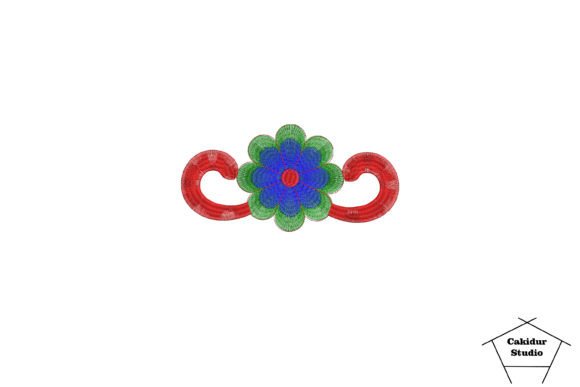
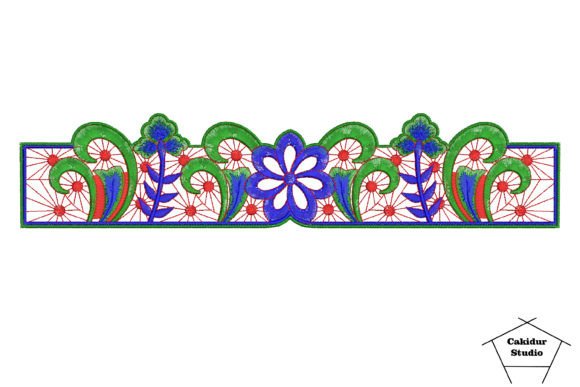
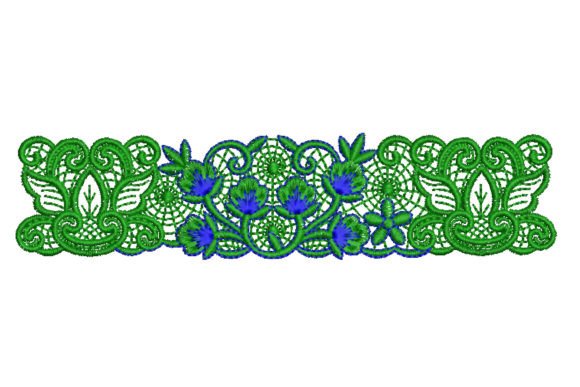
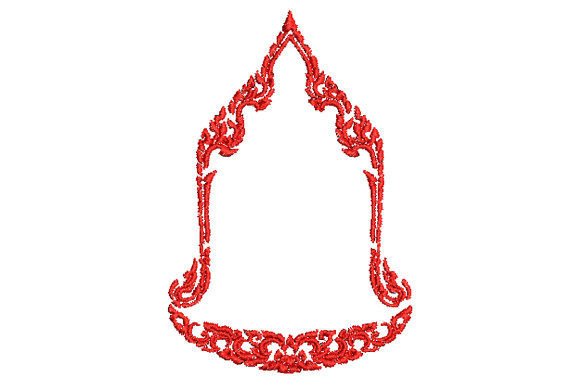
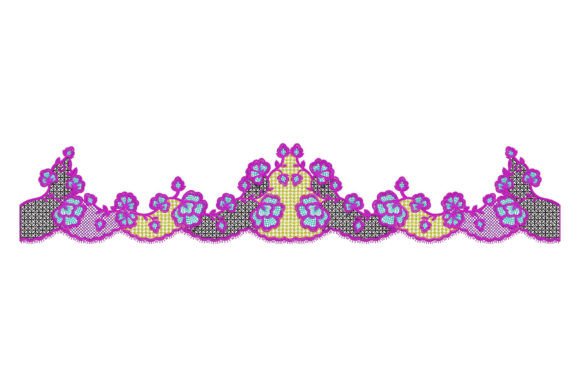
The first thing that strikes me about Floral Contour is its inherent elegance. In the world of Embroidery, floral motifs can easily veer into the cliché or overly rustic, but this design seems to strike a balance between classic refinement and modern utility. For a boutique bakery, a florist, or a handmade soap brand, this aesthetic is gold. It communicates care, attention to detail, and a premium quality without screaming for attention.
However, elegance must be paired with function. When I load a digital embroidery file into my machine, I look for clean lines and balanced spacing. If the contours are too tight, they risk pulling on the fabric during stitching. If they are too loose, the design loses its impact on smaller items. Based on the product title, I anticipate a design that relies on negative space and flowing lines rather than heavy fill stitches. This is promising for custom apparel, as it allows the texture of the fabric to breathe while still providing a distinct visual marker.
Real-World Application: From Patches to Uniforms
The true test of any embroidery file is how it performs across different substrates. For small businesses looking to create cohesive design assets, versatility is key. Here is how I see Floral Contour integrating into various product lines:
- Staff Uniforms and Aprons: Imagine a local café where baristas wear aprons featuring a subtle apron embroidery accent. Placing Floral Contour on the chest pocket or the lower hem of an apron adds a touch of sophistication that elevates the customer experience. It signals that the business values presentation.
- Branded Patches: One of the most cost-effective ways to build brand identity is through detachable embroidered patch designs. Floral Contour could serve as a standalone badge for jackets, denim vests, or canvas bags. Its border nature makes it perfect for framing other elements or standing alone as a decorative seal of quality.
- Tote Bags and Caps: For a tote bag design, this floral motif works beautifully as a large back print or a repeating pattern along the handles. Similarly, for cap embroidery, a scaled-down version could sit elegantly on the side panel, offering a softer alternative to bold logos.
- Home Goods and Gifts: The product description mentions cushions and pillows. For a home decor brand, using this design on throw pillows or bed linens creates a "renewed" look that customers love. It transforms generic white goods into branded, sellable products.
Strategic Placement and Design Limitations
While Floral Contour offers significant potential, a professional designer knows that no single design fits every scenario perfectly. There are specific areas where caution is required to ensure the finished product looks professional.
Size Matters: Floral details often lose definition when scaled down too aggressively. If you attempt to use this design on a tiny embroidered patch for a button or a small cap front, the delicate contours may blur. Always check the minimum recommended size before committing to production.
Fabric Texture and Color: On highly textured fabrics like terry cloth or heavy canvas, fine floral lines can get lost. Additionally, if your uniform is dark, the contrast of the thread colors becomes critical. A light-colored floral on a black background requires precise stitch density management to avoid showing the backing material.
Curved Surfaces: Applying a border design to curved surfaces, such as the brim of a cap or the shoulder of a shirt, requires careful digitizing. Ensure the hoop size accommodates the curve without distorting the shape of the flowers.
Impact on Brand Identity and Customer Trust
Why does a small business owner invest time in selecting a specific commercial embroidery design? Because every stitch contributes to customer trust. When a client receives a tote bag or wears a branded shirt with a high-quality floral accent, they perceive the brand as established and thoughtful. Floral Contour provides a visual consistency that ties together diverse products, from event merchandise to daily uniforms.
This level of detail enhances product value. A plain cotton shirt sells for one price; the same shirt with a professionally executed floral embroidery can command a higher price point. It signals that the brand cares about the details, which is particularly important for handmade brands and crafters selling on platforms like Etsy. The design acts as a silent ambassador, reinforcing the brand story without a single word spoken.
Practical Designer Notes for Production
Before you hit the "start" button on your machine, follow these practical steps to ensure Floral Contour delivers the best results for your business:
- Test in Black and White: Always run a test stitch using a single color first. This helps you identify any gaps in the design or areas where the stitch density might be too high, causing puckering.
- Check Hoop Size Compatibility: Verify that your hoop size can accommodate the full width of the border. If the design is wider than your hoop, you will need to split the design, which can affect alignment.
- Select the Right Stabilizer: The foundation of great embroidery is the stabilizer. For delicate floral contours, a cut-away stabilizer often provides better support than tear-away, especially on stretchy fabrics.
- Create a Printable Mockup: Before embroidering expensive inventory, generate a printable mockup for client approval. This ensures the placement and scale meet expectations.
- Verify Licensing: As a business owner, always confirm the commercial licensing terms of the digital embroidery file. Ensure you have the right to use Floral Contour for unlimited merchandise sales.
- Inspect Thread Contrast: Test the design on your actual fabric swatch. What looks good on screen might disappear on a heather grey shirt or a textured linen blend.
Final Verdict for Merch Creators
In conclusion, Floral Contour represents a strong opportunity for small businesses aiming to elevate their visual presence. It bridges the gap between decorative art and functional branding. Whether used as a subtle accent on staff aprons, a bold statement on tote bags, or a charming detail on home textiles, this Embroidery design has the versatility to adapt to various needs.
For the savvy merch creator, the key lies in execution. By respecting the design's limitations regarding size and fabric, and by following proper production protocols, you can turn Floral Contour into a signature element of your brand. It is not just a machine embroidery design; it is a tool for building recognition, enhancing perceived value, and creating a cohesive, professional image for your business. If you are looking to add a touch of refined beauty to your next batch of small business merch, this border design is definitely worth a closer look.