House Element: A Designer’s Review for Personalized Gifts
As an embroidery designer who has spent years testing digital files for real-world application, I approach every new machine embroidery design with a critical eye. It is not enough for a pattern to look pretty on a screen; it must perform beautifully on fabric, withstand washing, and evoke the right emotional response from the recipient. Recently, I had the opportunity to test House Element, a creative design intended to add a cozy and artistic feel to various textiles. My goal was to determine if this embroidery file is suitable for my personalized gift shop and whether it meets the high standards of discerning customers looking for meaningful keepsakes.
First Impressions: Mood and Artistic Appeal
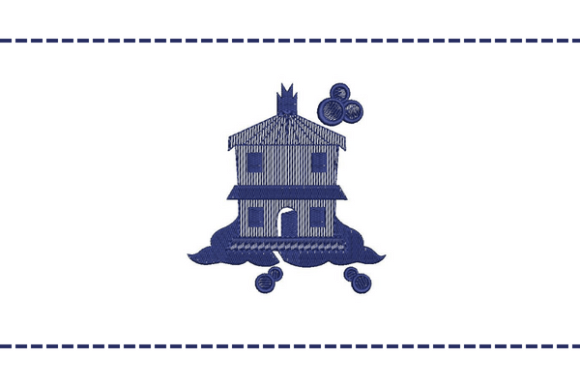
The first thing that strikes you about House Element is its inherent warmth. In a market saturated with overly complex or sterile geometric patterns, this design offers a refreshing sense of home and comfort. It feels less like a rigid industrial stamp and more like a hand-drawn illustration brought to life through thread. The mood is distinctly sweet and elegant, balancing playful charm with a classic aesthetic that does not feel tied to a specific season. This versatility is crucial for a small shop product because it allows you to sell year-round without needing constant redesigns.
For an Etsy seller or craft fair vendor, the visual appeal of the finished stitch-out is paramount. House Element possesses a handmade quality that resonates with buyers seeking authenticity. It does not look mass-produced. Instead, it invites touch and admiration, which is exactly what we want in a personalized gift. Whether used on a neutral linen or a vibrant cotton, the design maintains its artistic integrity, making it a strong contender for high-end custom orders.
Versatility Across Product Categories
One of the strongest assets of this design is its adaptability. The description suggests trying it on decorative pillows, bedsheets, clothes, or home decor, and my testing confirms these are excellent choices. However, I wanted to push the boundaries to see where else it could shine.
- Baby Embroidery: When scaled down appropriately, House Element makes for adorable nursery decor. Imagine it stitched onto a muslin swaddle or a felt banner. It adds a gentle, welcoming touch to a baby’s room without being overly juvenile.
- Wedding Gift Keepsakes: For couples establishing their first home, this design is perfect. Stitched onto a high-quality tea towel or a guest book cover, it serves as a subtle yet poignant symbol of their new beginning.
- Kitchen and Dining: An embroidered towel featuring this motif becomes an instant heirloom. It elevates a simple kitchen accessory into a piece of art that guests will notice and compliment.
- Apparel and Totes: On a canvas tote bag or a denim apron, the design stands out boldly. It transforms everyday items into statement pieces that reflect the owner’s love for home and creativity.
Technical Considerations for Professional Results
While the aesthetic is promising, the technical execution determines whether a handmade product succeeds or fails. During my review of House Element, I identified several areas where attention to detail is non-negotiable.
First, consider the stitch density. Since the description notes that the design comes with multiple embroidery options, it is vital to check the digitizing quality of each size. High density can cause puckering on lightweight fabrics like bedsheets or baby clothes. Always use a proper stabilizer—cut-away for stretchy knits and tear-away for stable wovens—to ensure the fabric remains flat and the stitches lie smooth.
Second, pay close attention to thread colors. The artistic feel of this design relies heavily on contrast. If you are stitching on dark fabric, ensure your thread choice pops without clashing. I recommend creating a printable mockup or a digital preview before committing to the final hoop. Testing on scrap fabric is essential to verify that delicate details do not get lost in the texture of the material.
Navigating Fabric Textures and Challenges
Not all fabrics behave the same way. When working with textured materials like thick terry cloth towels or fluffy blankets, small details in the House motif may get obscured. In these cases, I advise increasing the scale of the design slightly to maintain clarity. Conversely, on smooth silk or satin, the same design will appear crisp and refined. For curved surfaces like pillow corners or tote bag gussets, careful hooping is required to prevent distortion. Always center the design carefully and use adhesive spray if necessary to keep the fabric taut.
Enhancing Perceived Value and Customer Trust
From a business perspective, House Element is a tool for building trust. When a customer receives a custom embroidery item that looks professional and thoughtful, their perceived value of your brand increases. This design helps create an emotional connection because it speaks to universal themes of family, shelter, and comfort. It is not just a logo; it is a sentiment.
For wedding gift designers, offering this design on premium linens can justify a higher price point. The intricate yet cozy nature of the stitch work suggests hours of care and precision, even though it is machine-made. This perception of quality is what turns one-time buyers into loyal customers. Furthermore, because the design is versatile, it allows for easy upselling. A customer buying a pillow cover might be tempted to add a matching blanket embroidery or set of napkins, increasing your average order value.
Final Verdict and Practical Advice
Before adding House Element to your inventory, there are a few final checks to perform. Since the provided description mentions multiple embroidery options but does not specify exact file formats or hoop sizes, you must verify these details with the provider. Ensure the files are compatible with your machine and that the largest size fits within your standard hoop dimensions. Additionally, confirm the commercial licensing terms. As a digital embroidery file user, you need to know if you are allowed to sell finished products made with this design, especially if you are running a commercial operation.
In conclusion, House Element is a charming and versatile addition to any embroidery designer’s library. It bridges the gap between modern minimalism and traditional warmth, making it ideal for a wide range of personalized gifts. By paying attention to fabric choice, stabilizer selection, and thread contrast, you can produce stunning results that delight customers and enhance your brand’s reputation for quality. Whether you are creating a baby shower gift or a housewarming present, this design offers the artistic flair needed to make your handmade products stand out in a crowded marketplace.