Review: Tomorrow Needs You Mental Health Embroidery Design
As a designer who has spent countless hours digitizing and stitching out patterns for clients, I approach every new machine embroidery design with a mix of curiosity and caution. We have all been there: you download a file that looks stunning on the screen, only to find it turns into a puckered mess or an illegible blob once the needle hits the fabric. When I first loaded the Tomorrow Needs You Mental Health design into my software, I was looking for more than just aesthetic appeal. I wanted to know if it held up under the mechanical stress of real-world production.
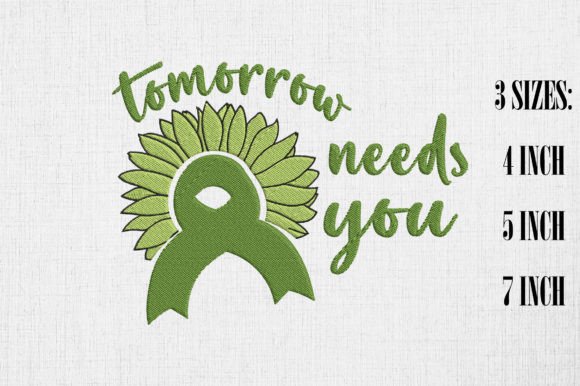
This piece falls squarely into the Awareness category, a niche that requires a delicate balance between visibility and sensitivity. The phrase itself carries weight, and the visual execution needs to honor that. My initial impression was positive. The layout feels intentional, avoiding the cluttered look that plagues many text-heavy designs. It has a clean, modern personality that suggests it belongs on contemporary apparel rather than dated souvenir-style goods. But does it stitch as well as it previews? Let’s break down how this design performs in actual embroidery project scenarios.
First Impressions and Visual Mood
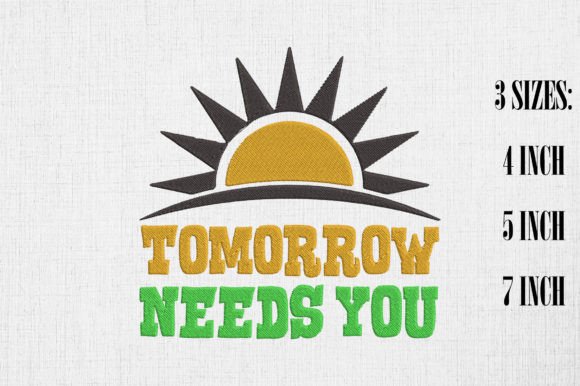
The mood created by Tomorrow Needs You Mental Health is one of gentle encouragement. It is not aggressive or overly clinical. For designers and Etsy sellers, this is crucial. Customers buying mental health awareness items are often looking for comfort and solidarity. The design’s shape and detail level suggest a thoughtful approach to typography. It doesn’t rely on excessive decorative flourishes that can complicate stitching. Instead, it leans on clarity.
When evaluating the visual personality, I noticed the balance between negative space and stitched areas. This is vital for maintaining the integrity of the message. If the letters are too thin, they disappear on textured fabrics. If they are too dense, the fabric stiffens. This design appears to strike a middle ground, making it versatile for various thread colors and backgrounds. It feels like a design that respects the medium of Embroidery rather than fighting against it.
Real-World Application: From Totes to Sweatshirts
To truly test a design, you have to imagine it on a finished product. I recently worked on a batch of custom canvas tote bags for a local wellness workshop. This is where Tomorrow Needs You Mental Health shines. The design scales well, maintaining its legibility even when resized for a smaller tote bag design placement. On canvas, the stitches sat flat, and the message was clear from a distance.
Beyond totes, consider sweatshirt embroidery. Fleece and cotton blends are forgiving, but they can swallow up fine details. Because this design likely utilizes a combination of fill stitch for larger areas and potentially satin stitch or running stitch for outlines or finer text elements, it holds up well on thicker materials. I can easily see this working as a chest logo on a hoodie or a larger back print on a crewneck. It adds value to the garment without overwhelming the wearer.
For those running a craft business, versatility is key. This design could easily transition to home decor. Imagine it stitched onto a neutral-toned pillow cover or a kitchen towel. The handmade product market thrives on items that feel personal and meaningful. A personalized gift featuring this message could be incredibly impactful for someone going through a tough time. It transforms a simple household item into a token of support.
Technical Considerations and Fabric Choices
While the design is robust, no digital embroidery file is universal. There are specific situations where you need to proceed with caution. If you are planning to use this on dark fabric, you must ensure high contrast in your thread colors. A light thread on a black shirt works, but if the design relies on subtle shading, it might get lost. Always test your color combinations on scrap fabric first.
Stretchy fabrics present another challenge. If you are applying this to a fitted t-shirt or activewear, the stitch density becomes critical. High-density areas can cause the fabric to pucker or distort after washing. I recommend using a cut-away stabilizer for stretchy materials to provide long-term support. For woven fabrics like linen or cotton, a tear-away stabilizer might suffice, but always check the manufacturer’s recommendations for the specific file.
Curved surfaces, such as caps or hats, require careful hooping. The Tomorrow Needs You Mental Health design should be checked for width relative to your cap frame. If the text is too wide, it may wrap around the curve awkwardly, distorting the readability. In such cases, scaling down or adjusting the placement is necessary. Also, be mindful of tiny lettering. If the design includes small text elements, ensure your machine can handle the resolution. Needle deflection can blur small details, so a sharp needle and proper tension are non-negotiable.
Commercial Viability and Brand Consistency
For small shop product creators, the professionalism of the final stitch directly impacts customer trust. A messy or poorly digitized design can hurt your brand reputation. This design, with its clean lines and balanced composition, supports a professional presentation. It looks intentional, which helps in building brand consistency across different products.
When creating printable mockup images for your online store, this design photographs well. The clear structure allows for crisp digital representations, helping potential buyers visualize the finished product. Whether you are selling custom apparel or embroidered patch items, the visual appeal of this design can drive buyer engagement. It is recognizable and emotionally resonant, which are key drivers in the awareness niche.
However, before listing any items, you must confirm the licensing terms. The product description notes that it comes with multiple embroidery file formats, which is excellent for compatibility across different machine brands. But does the license allow for commercial use? Can you sell the physical items? Can you resell the digital file? These are critical questions. Always read the license agreement provided with the download. Assuming commercial rights without verification can lead to legal issues for your design assets and business.
Final Designer Notes
Before you commit to a large production run, treat this as a prototype phase. Stitch out the design on the exact fabric you plan to use. Check the hoop size requirements to ensure it fits your machine’s maximum area. Inspect the back of the stitching for excessive thread jumps or loose ends, which can affect comfort, especially on items like baby embroidery or scarves that touch sensitive skin.
Test the design in black and white mockups to see if the contrast holds up without color reliance. Compare how it looks on light versus dark backgrounds. If the design includes an applique design element, ensure you have the right fabric scraps on hand. Remember, the goal is to create a holiday embroidery gift or a year-round staple that feels high-quality and thoughtful.
In conclusion, Tomorrow Needs You Mental Health is a strong contender for designers looking to add meaningful pieces to their portfolio. It balances aesthetic appeal with practical stitchability. By paying attention to fabric choice, stabilizer type, and licensing, you can leverage this design to create products that not only look good but also resonate deeply with your customers. It is a tool for connection, stitched with precision.