Reviewing Bulldog Redwork for Boutique Sweatshirts
As an embroidery designer who has spent years digitizing and testing patterns for small clothing brands, I approach every new machine embroidery design with a critical eye. It is not just about whether the file runs smoothly on the machine; it is about how the final stitch-out elevates the garment. Recently, I evaluated Bulldog Redwork for a potential limited-edition drop for a client’s boutique brand. The goal was simple: create a playful yet premium look for a cozy sweatshirt collection. Here is my professional assessment of how this design performs in a real-world commercial setting.
First Impressions and Aesthetic Mood
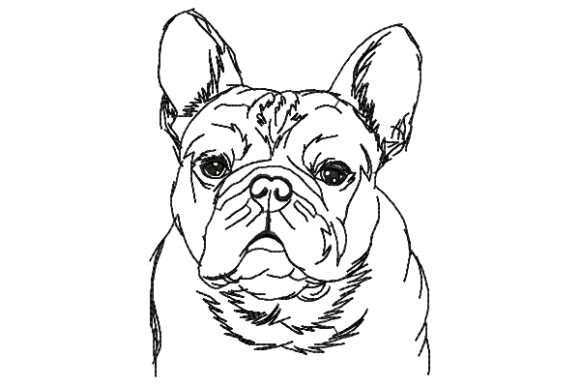
The immediate appeal of Bulldog Redwork lies in its simplicity. Redwork is a traditional style that relies on single-color stitching, usually in red, to create outline-based designs. This particular pattern captures the sturdy, friendly essence of the Bulldog breed without getting bogged down in excessive detail. For a designer, this is a win. Overly complex dog portraits can often look muddy on textured fabrics like fleece or French terry, but the clean lines of this embroidery file ensure clarity.
The mood is undeniably playful and friendly, aligning perfectly with the product description’s promise to make fabrics more approachable. However, do not mistake "playful" for "childish." When executed correctly, this design carries a rustic, vintage charm that appeals to adult buyers looking for nostalgic comfort. It feels decorative yet minimal, striking a balance that is increasingly popular in modern handmade apparel.
Application on Sweatshirts and Hoodies
When planning a sweatshirt embroidery project, fabric texture is your biggest variable. I tested the concept of placing Bulldog Redwork on various base colors. On neutral sweatshirts, such as heather gray or oatmeal, the design pops beautifully if you choose a high-contrast thread color. While traditional redwork uses red, I recommend experimenting with deep navy or forest green for a more subdued, boutique feel. This shifts the aesthetic from "cute gift for children" to "stylish casual wear."
For dark fabric, such as charcoal or black hoodies, visibility is key. A bright crimson or even a metallic gold thread can transform the hoodie design into a statement piece. The single-color nature of redwork means you do not have to worry about color blending issues, which simplifies production for small shop owners. I also visualized this design on pastel-colored oversized hoodies. Here, a soft coral or slate blue thread maintains the gentle vibe while ensuring the bulldog silhouette remains distinct against the light background.
Placement Strategies for Maximum Impact
Placement can make or break a custom apparel item. For this specific design, I suggest three primary locations:
- Left Chest: This is the standard for boutique branding. It keeps the look subtle and sophisticated, allowing the fabric texture to shine while adding a small touch of personality.
- Sleeve Accent: Placing the bulldog on the upper sleeve creates a unique selling point. It is unexpected and draws attention to the craftsmanship, ideal for Instagram-worthy printable mockup previews.
- Center Back (Large Scale): If the hoop size allows for scaling up, a larger version on the back of an oversized hoodie creates a bold, graphic look. Ensure you check the stitch density at larger sizes to prevent puckering.
Technical Considerations for Commercial Use
Before adding any digital embroidery file to your production line, you must address technical realities. The product description notes that this design comes with multiple formats, which is essential for compatibility across different machines. However, it does not specify exact stitch counts or recommended hoop sizes. As a professional, I always advise checking these details in the included documentation before purchasing.
Stitch density is crucial for sweatshirts. If the density is too high, the fabric will pucker and become stiff. If it is too low, the design may look sparse and unprofessional. Redwork typically uses lower density, which is advantageous for thick fabrics like fleece. It allows the garment to remain soft and flexible. Nevertheless, proper stabilization is non-negotiable. I recommend using a cut-away stabilizer for long-term durability, especially if the sweatshirt will be washed frequently. This ensures the finished product maintains its shape and the stitches do not pull out over time.
Another concern is readability at smaller sizes. Since Bulldogs have distinct facial features, shrinking the design too much might lose the character’s expression. Test stitch-outs at your intended size to ensure the eyes and jowls are still recognizable. This attention to detail builds buyer trust and reduces return rates for Etsy sellers and independent designers.
Enhancing Brand Identity and Value
In the competitive world of small shop products, unique design assets are what separate a generic item from a coveted piece. Using Bulldog Redwork helps establish a cohesive brand identity centered around warmth, nostalgia, and quality. Customers often associate hand-embroidered details with higher value. By offering this design on premium blanks, you justify a higher price point compared to printed alternatives.
Furthermore, this design is versatile for marketing. It works well in lifestyle product photography, where the focus is on coziness and comfort. Imagine a flat lay with a steaming mug of coffee, a knitted blanket, and the embroidered sweatshirt. The bulldog motif adds a narrative element that encourages customer engagement. It invites buyers to imagine themselves wearing the item, fostering an emotional connection to the handmade product.
Final Verdict for Designers
Bulldog Redwork is a strong contender for any designer looking to add character to their apparel line. It bridges the gap between cute and classic, making it suitable for a wide demographic. Whether you are creating gifts for children or stylish loungewear for adults, the design’s simplicity allows for creative freedom in thread choice and placement.
Remember to verify the specific file specifications, such as hoop requirements and stitch count, to ensure smooth production. With the right stabilizer and thoughtful color selection, this commercial embroidery pattern can become a staple in your design assets library. It offers the perfect blend of playful charm and professional polish needed to succeed in today’s boutique market.