Cute Baby Embroidery: A Designer’s Review for Craft Fairs
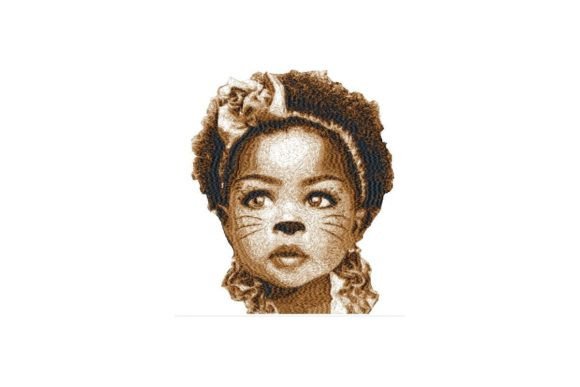
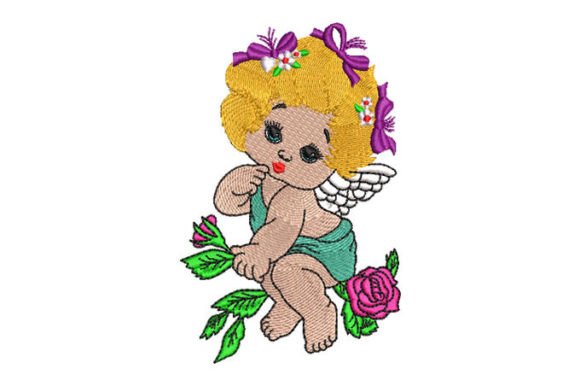
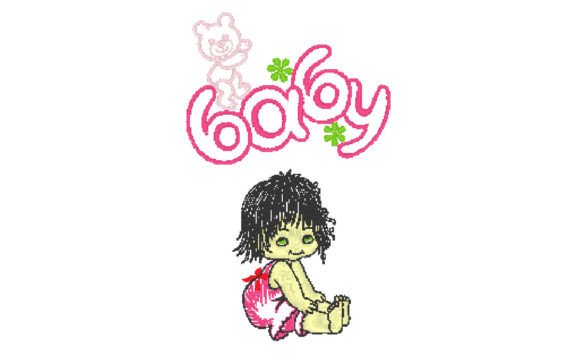
As an experienced embroidery designer who has spent countless weekends behind a booth table, I know that the difference between a browsing customer and a buying customer often comes down to visual impact. When I first loaded the Cute Baby machine embroidery design into my software, my immediate impression was one of approachable charm. It does not scream for attention with aggressive boldness; instead, it offers a soft, inviting aesthetic that fits perfectly into the current trend of heartfelt, handmade gifts. For those of us creating products for the Boys category or general nursery decor, this design strikes a balance between playful and polished.
First Impressions and Visual Appeal
The description states that this pretty embroidery gives a nice look to your fabrics, and in practice, this translates to versatility. The design feels modern yet timeless, avoiding overly complex details that might get lost on textured materials. When evaluating a new digital embroidery file, I look for clarity at a distance. Cute Baby maintains its integrity whether viewed from across a crowded craft fair aisle or up close on a product display. It possesses a decorative quality that elevates simple textiles without overpowering them, making it an ideal candidate for sellers who want to maintain a consistent, premium brand image.
Strategic Product Placement for Maximum Sales
Not every design works on every item. Through trial and error, I have found that Cute Baby performs exceptionally well on specific craft fair product categories. Here is how I would strategically place this design in my inventory:
- Tote Bag Design: This is perhaps the strongest contender. A canvas tote with this embroidery centered or placed on the lower corner becomes an instant bestseller for new parents or gift-givers. The design acts as a lovely accent that transforms a utility item into a handmade product with perceived high value.
- Apron Embroidery: For children’s aprons or even matching parent-child sets, this design adds a personal touch. It sells the idea of memory-making in the kitchen, which resonates deeply with buyers looking for unique experiences.
- Tea Towel Embroidery: Kitchen linens are staple sellers. However, caution is needed here regarding fabric texture. On smooth cotton towels, the stitches pop beautifully. On highly textured waffle weaves, the finer details might sink in, so I recommend testing on flat-weave linen or cotton for the crispest result.
- Embroidered Patch: If you offer iron-on or sew-on patches, this design is compact enough to work well. It allows customers to customize their own jackets or bags, expanding your market beyond finished goods.
Production Practicality and Batch Efficiency
For any Etsy seller or small shop owner, time is money. One of the key advantages of Cute Baby is its potential for repeatability. The design does not appear to have excessive jump stitches or overly dense areas that would slow down production significantly. This makes it suitable for batch production, allowing you to hoop multiple items or run several machines simultaneously during peak seasons.
When preparing for a weekend market, I prioritize designs that photograph well for online listings. This design’s clean lines and balanced composition create excellent printable mockup opportunities. You can easily visualize how it looks on different background colors, which is crucial for creating compelling design assets for your social media and shop banners. A design that looks good in photos sells faster online, and this one delivers on that front.
Careful-Use Notes and Technical Considerations
While the design is user-friendly, professional judgment is required to ensure a high-quality finished product. Here are critical technical points to consider before you start stitching:
- Stitch Density: Always check the density settings in your software. If the design is too dense for lightweight fabrics like muslin or thin cotton, it may cause puckering. Use a cut-away stabilizer for stretchy fabrics and a tear-away for stable woven materials to support the stitches properly.
- Fabric Contrast: The visibility of the embroidery depends heavily on thread choice. On dark fabrics, ensure you use high-contrast thread colors or add an underlay stitch if your machine allows, to prevent the fabric color from showing through the design.
- Curved Surfaces: If applying this to caps, be mindful of the curvature. The design should be positioned carefully to avoid distortion. A smaller version of the design often works better on caps than a large focal point, which might wrap awkwardly around the seam.
- Small Details: If you plan to scale the design down for small pouches or baby bibs, verify that the smallest elements remain clear. Tiny details can merge together if the design is reduced too much, losing the charm that makes it unique.
Enhancing Brand Consistency and Buyer Engagement
Incorporating Cute Baby into your lineup helps build a cohesive brand story. It signals to customers that you care about quality and aesthetics. When buyers see a well-executed embroidery on a tote bag or pillow cover, they perceive higher value. This perception allows you to price your small shop product competitively while maintaining healthy margins.
Furthermore, this design encourages engagement. Customers often stop to touch embroidered items, feeling the texture of the threads. This tactile interaction is a powerful sales tool at craft fairs. By placing this design on high-touch items like pillow covers or soft market bags, you invite customers to connect physically with your work, increasing the likelihood of a sale.
Final Designer Recommendations
Before launching this design into your commercial lineup, take the following steps to ensure success:
- Test on Scrap Fabric: Never skip the test stitch. Run the design on the exact fabric type you intend to sell to check for puckering or thread breaks.
- Confirm Hoop Size: The product description mentions multiple embroidery file formats, but it does not specify exact dimensions. Check your software to confirm the hoop size requirements and ensure it fits your equipment.
- Review Licensing: Since this is a commercial embroidery context, verify the license terms included with the embroidery file. Ensure you have the right to sell finished physical products made with this design.
- Create Real Mockups: Photograph the actual stitched item rather than relying solely on digital renders. Real photos build trust with buyers who want to see the true quality of your craftsmanship.
In conclusion, Cute Baby is a strong addition to any embroidery designer’s library, particularly for those targeting the nursery, baby gift, or family-oriented markets. Its versatility across various textiles, combined with its appealing aesthetic, makes it a reliable choice for both online and offline sales. By paying attention to technical details like stabilizer choice and thread contrast, you can produce high-quality items that stand out in a crowded marketplace. Whether you are an established Etsy seller or a newcomer to the craft fair circuit, this design offers the flexibility and charm needed to grow your business.