Terracotta Pot: A Designer’s Review for Real Embroidery Projects
As an embroidery designer who has spent years digitizing patterns and reviewing files for client work, I approach every new machine embroidery design with a critical eye. It is not just about whether the image looks cute on a screen; it is about how that design translates into thread, how it behaves on fabric, and whether it adds genuine value to a finished product. Recently, I evaluated Terracotta Pot, a design categorized under Kitchen themes, to see if it holds up in real-world applications for small business owners and hobbyists alike.
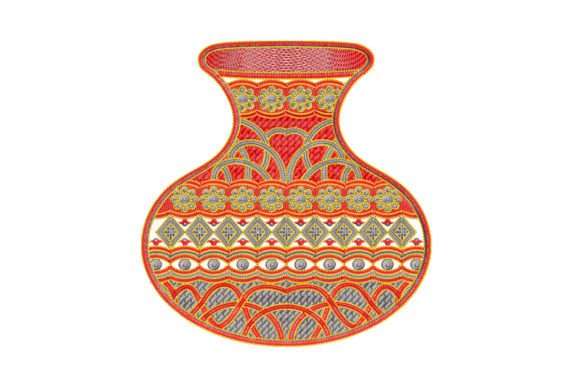
The first impression of Terracotta Pot is one of rustic warmth. The shape suggests a classic pitcher or vessel, evoking a sense of homey comfort that fits perfectly within the current trend of cottagecore and farmhouse aesthetics. For those of us creating handmade products, this visual personality is crucial. It does not scream for attention with neon colors or aggressive lines; instead, it offers a subtle, grounded presence that works well for personalized gifts and boutique branding.
Visual Appeal and Stitching Clarity
When I load a new embroidery file into my software, I immediately look at the stitch types used. Does the design rely too heavily on dense fill stitches that might pucker thin fabric? Or does it utilize a balanced mix of satin stitch and running stitch to create definition without bulk? With Terracotta Pot, the layout appears thoughtful. The contours of the pot are likely defined by clean satin stitches, which provide a smooth, shiny finish that catches the light nicely. This is essential for items like tote bags or aprons where the design needs to stand out against textured fabrics.
The detail level is moderate, which is a strength rather than a weakness. Overly complex designs often lose clarity when stitched out, especially on smaller items like caps or baby clothes. This design maintains its integrity because it focuses on the essential form of the pitcher. Whether you are using it for sweatshirt embroidery or as a central motif on a pillow cover, the silhouette remains recognizable. This clarity builds customer trust; buyers can instantly identify the subject, which enhances the perceived professionalism of your craft business.
Real-World Application Scenarios
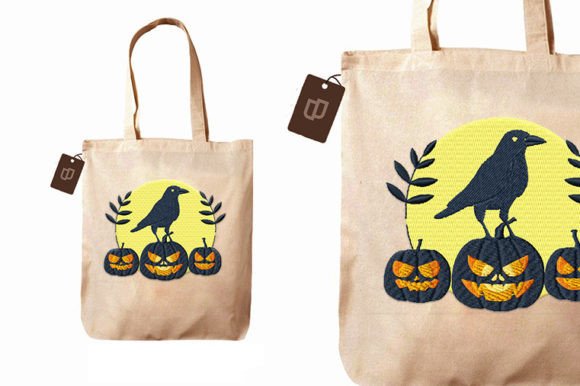
To truly test a design, I imagine it in specific project scenarios. Let us say you are preparing a custom embroidered tote bag for a local farmer’s market. The Terracotta Pot design would pair beautifully with earth-toned thread colors—think terracotta reds, sage greens, and warm creams. On a canvas tote, the stitch density should be sufficient to hold up against frequent use, provided you use a proper stabilizer. The rustic theme aligns perfectly with eco-friendly branding, making it an excellent choice for Etsy sellers focusing on sustainable goods.
Another practical application is holiday embroidery. Imagine stitching this design onto a kitchen towel or an apron as a housewarming gift. The Kitchen category placement makes sense here. It feels appropriate for spaces where food is prepared and shared. For small shop products, this versatility is key. You are not limited to one type of merchandise. You could use the same digital embroidery file to create a cohesive line of products, from embroidered patches for backpacks to decorative accents on nursery decor.
For apparel decorators, consider the placement on a hoodie. The design’s balanced layout means it can sit comfortably on the left chest without looking cramped. However, if you plan to use it on stretchy fabric, you must be cautious. The curvature of the pot design needs to remain symmetrical. If the fabric stretches during wear, the design could distort. This is where testing on scrap fabric becomes non-negotiable. Always check how the design behaves on the specific material you intend to use before committing to a final piece.
Navigating Fabric and Hoop Constraints
While Terracotta Pot is versatile, there are situations where it requires careful handling. Small hoop sizes can be tricky. If you are working with a 4x4 inch hoop, ensure that the design fits with adequate margin for hooping. Crowding the edges can lead to stitching errors or fabric pull. Additionally, when working with dark fabric, thread color contrast is vital. A dark brown thread on a black shirt will vanish. You might need to adjust the thread colors in your software to ensure the pitcher’s shape pops against the background.
Textured fabrics present another challenge. If you are stitching on a thick terry cloth towel, the fine details of the design might get lost in the pile. In such cases, increasing the stitch density slightly or choosing a bolder thread weight can help maintain visibility. Conversely, on thin fabric like a lightweight t-shirt, too much density can cause puckering. Using a cut-away stabilizer can provide the necessary support to keep the fabric flat and the design crisp.
Curved surfaces, such as caps, require special attention. The rigid structure of a cap front can handle the design well, but you must ensure the hoop size matches the available stitching area. Detailed corners in the design should be inspected closely; sharp angles can sometimes cause thread breaks or nesting if the machine speed is too high. Slowing down the machine and using high-quality thread can mitigate these issues.
Commercial Viability and Brand Consistency
For commercial embroidery projects, consistency is everything. If you are building a brand around handmade home decor, Terracotta Pot contributes to a cohesive aesthetic. It signals to your customers that you curate your design assets carefully. This attention to detail enhances buyer engagement. When customers see a well-executed design on a printable mockup or in person, they are more likely to perceive the item as high-value.
However, before selling finished items or digital products, you must confirm licensing terms. The product description states that this is a high-quality design for various uses, but it does not specify exact license terms for mass production or digital resale. Always verify whether the file allows for commercial use of finished goods. This step protects your business and ensures you are respecting the creator’s rights. It is a simple check that prevents legal headaches down the road.
Practical Designer Notes
- Test on Scrap Fabric: Always run a test stitch on the same type of fabric you plan to use for the final product. This helps you identify any tension issues or density problems.
- Check Thread Contrast: View your design in black and white mode to ensure the shapes are distinct even without color. This is crucial for readability on varied backgrounds.
- Review Stitch Density: If the design feels too heavy for your fabric, consider reducing the density in your editing software or using a lighter weight thread.
- Confirm Hoop Size: Measure the design dimensions against your hoop capacity. Leave at least half an inch of margin around the design for secure hooping.
- Inspect Small Details: Zoom in on the design file to check for tiny running stitches or complex corners that might be prone to breaking.
- Use Proper Stabilizer: Match your stabilizer to your fabric. Cut-away for knits, tear-away for wovens, and wash-away for delicate or sheer materials.
In conclusion, Terracotta Pot is a solid addition to any embroidery designer’s library. It offers a blend of rustic charm and practical simplicity that works well across a range of projects, from custom apparel to home decor. By paying attention to fabric choice, stabilizer selection, and stitch quality, you can ensure that this design elevates your handmade products and resonates with your customers. It is not just a pattern; it is a tool for creating meaningful, tangible goods that people love to use and gift.