Tiger Girl: A Designer’s Review for Real Projects
As an embroidery designer who has spent years digitizing and stitching thousands of designs, I have learned to look past the initial cute factor. When I first loaded the Tiger Girl file into my software, my immediate reaction was one of cautious optimism. The preview showed a charming character, but previews can be deceiving. The real test is always in the hoop. For those of us running small shops or creating personalized gifts, we need designs that not only look good on screen but hold up under the needle and withstand the wash cycle.
This review breaks down how Tiger Girl performs in actual production environments, focusing on its suitability for baby items, apparel, and boutique merchandise. If you are an Etsy seller or a hobbyist looking to add a playful accent to your portfolio, understanding the technical behavior of this design is crucial before you commit to a final product.
First Impressions and Visual Personality
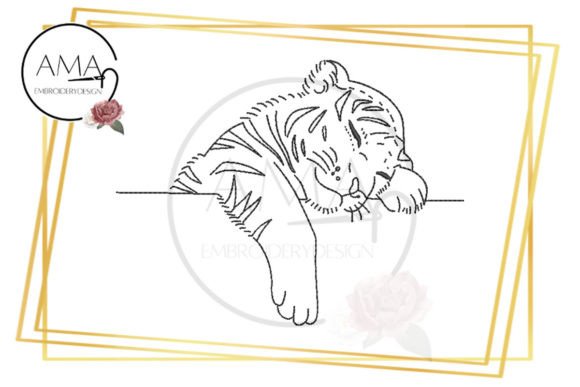
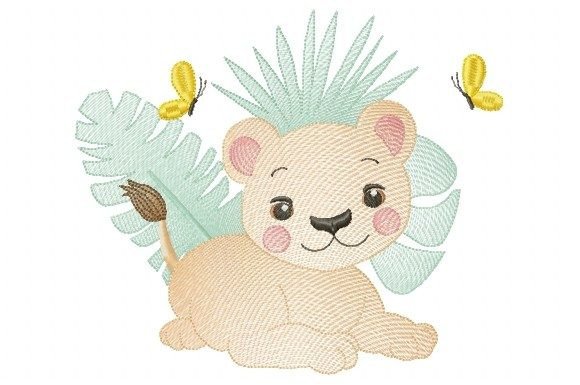
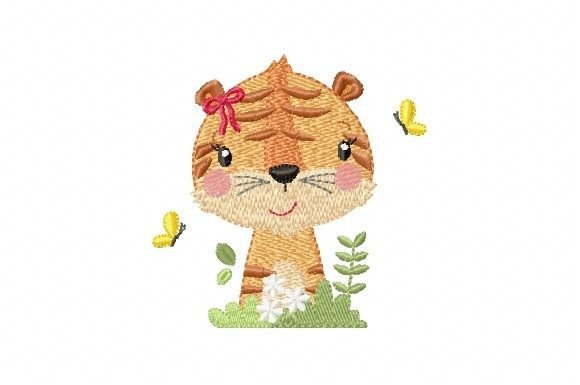
The mood of Tiger Girl is undeniably friendly and approachable. It fits squarely into the Baby Animals category, yet it avoids being overly saccharine. The layout suggests a balanced composition, which is vital for maintaining visual stability on curved surfaces like caps or soft fabrics like baby onesies. The character’s expression creates an instant emotional connection, which is exactly what customers look for when buying a personalized gift.
From a design perspective, the level of detail appears moderate. This is a positive trait for a machine embroidery design intended for children’s clothing. Overly complex details often get lost in small hoops or become fragile after repeated washing. The visual personality here leans towards simplicity and charm, making it versatile enough for both a high-end boutique brand and a casual craft fair item.
Real-World Application Scenarios
To truly evaluate this embroidery file, I imagined several common project scenarios. Here is how Tiger Girl holds up in practical use:
- Custom Apparel: On a toddler’s sweatshirt, the design acts as a focal point. The playful nature of the tiger complements the casual vibe of fleece or cotton blends. It works well as chest embroidery or on the sleeve for a subtle accent.
- Tote Bag Design: For canvas tote bags, the design needs to stand out against a potentially textured background. Assuming proper stabilizer use, the bold lines of the tiger should provide good coverage without sinking into the weave.
- Baby Embroidery: This is perhaps the strongest use case. Stitched on a muslin swaddle or a organic cotton onesie, Tiger Girl adds a whimsical touch that parents love. However, care must be taken with thread choice to ensure softness against sensitive skin.
- Embroidered Patch: If you are creating iron-on patches for a craft business, this design’s contained shape makes it ideal for cutting around. It creates a clean edge that is easy to finish with a satin stitch border.
Technical Considerations and Stitch Behavior
While the aesthetic is appealing, the technical execution determines the quality of the finished product. Without seeing the specific stitch count or density map, I must advise caution regarding stitch density. Designs labeled as "cute" sometimes rely on dense fill stitch areas to create solid colors. If the density is too high, it can cause puckering on thin fabrics like jersey knits or lightweight cottons.
I recommend checking if the design utilizes satin stitch for outlines and smaller details. Satin stitches provide a shiny, professional look but can be prone to snagging if they are too wide. Conversely, running stitch elements might be used for internal details, which are less durable but offer a delicate, hand-drawn feel. For a product that needs frequent washing, such as a child’s shirt, ensure that any running stitches are short and secure.
Fabric texture plays a significant role here. On smooth fabrics like broadcloth or polished cotton, Tiger Girl will likely look crisp and defined. On textured fabrics like terry cloth or heavy denim, some finer details might get lost. Always test on a scrap piece of your intended fabric before starting the final project.
Where to Use Caution
Not every project is a perfect fit for every design. Here are situations where you should approach Tiger Girl with careful planning:
- Small Hoop Sizes: If you are using a 4x4 inch hoop, ensure the design scales down without losing clarity. Tiny features can merge together if the design is reduced too much.
- Stretchy Fabrics: Knits and spandex blends require robust stabilization. Without a cut-away stabilizer, the weight of the embroidery could distort the garment over time.
- Dark Fabrics: If stitching on navy or black fabric, check the thread color contrast. You may need to adjust the thread palette to ensure the tiger’s features remain visible. A dark outline on a dark shirt will disappear.
- Curved Surfaces: While it works on caps, ensure the design is centered correctly. Distortion near the seams of a cap can warp the image of the tiger’s face.
Enhancing Brand Value and Customer Trust
For Etsy sellers and small shop product creators, consistency is key. Using a cohesive set of designs helps build brand recognition. Tiger Girl can serve as part of a larger collection of animal-themed design assets. When customers see high-quality stitching with clean thread trims and no puckering, their trust in your craftsmanship increases.
A well-executed holiday embroidery piece or a birthday gift featuring this tiger can lead to repeat business. The perceived value of the item goes up when the embroidery looks professional rather than homemade in a negative sense. It signals that you understand the mechanics of the machine and the properties of the materials.
Practical Designer Notes for Best Results
Before you sell or gift this item, follow these practical steps to ensure quality:
- Test on Scrap Fabric: Never skip this step. Use the same fabric and stabilizer combination you plan to use for the final product.
- Check Thread Color Contrast: View your design in black and white mode on your computer. If the details disappear in grayscale, they will likely lack definition in real life.
- Confirm Hoop Size: Verify the maximum dimensions of the design to ensure it fits your machine’s largest hoop if you plan to scale it up.
- Inspect Small Details: Zoom in on the digital file. Look for potential jump stitches or overlapping threads that might cause nesting.
- Licensing Check: If you are using this for commercial embroidery or selling digital products, confirm the license terms. Ensure you are allowed to sell finished items made with this digital embroidery file.
In conclusion, Tiger Girl offers a delightful blend of charm and versatility. It is well-suited for baby embroidery, casual apparel, and decorative home items. By paying attention to fabric choice, stabilization, and thread selection, you can transform this simple design into a standout piece that delights customers and enhances your portfolio. Whether you are creating a custom tote or a cozy baby blanket, this design has the potential to become a favorite in your rotation of reliable, high-quality projects.