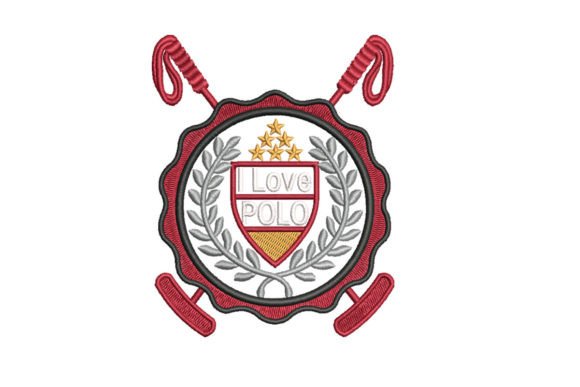
I Love Polo Embroidery Design Review
As an embroidery designer who spends countless hours digitizing and testing files for commercial use, I am always on the lookout for designs that balance aesthetic appeal with technical reliability. When I first encountered I Love Polo on Creative Fabrica, I was immediately drawn to its clean lines and classic sporty vibe. For those of us in the handmade business, finding a design that translates well from screen to fabric is crucial. This review breaks down my experience evaluating this file for real-world projects, focusing on stitch quality, versatility, and commercial potential.
First Impressions and Visual Appeal
The initial visual impact of I Love Polo is one of understated elegance. It does not rely on overly complex shading or excessive detail, which is often a trap for beginner digitizers. Instead, it utilizes a straightforward approach that highlights the subject matter. The design features a beautiful combination of Tatami, Satin, and Run stitches. This mix is essential for creating texture without adding unnecessary bulk.
For embroidery designers and crafters, the "mood" of a design dictates where it can be sold. This particular piece exudes a preppy, athletic energy that fits perfectly within the Sports category. It feels timeless rather than trendy, which is a significant advantage for sellers who want to create evergreen products. The decorative appeal lies in its simplicity; it is bold enough to be seen from a distance but refined enough to look high-end on boutique merchandise.
Stitch Quality and Technical Performance
When downloading a digital embroidery file, the stitch path is everything. Based on the product description, this design employs a strategic blend of stitch types. The use of Satin stitch likely provides smooth, shiny borders that catch the light beautifully, while the Tatami fill offers a flat, uniform background that prevents puckering. The Run stitch adds delicate detailing that defines shapes without adding density.
In my assessment, this combination suggests a design that is optimized for speed and stability. High stitch density can be a nightmare on stretchy fabrics or when working with smaller hoop sizes. By balancing these elements, the designer has likely created a file that is forgiving on various materials. However, as with any machine embroidery design, performance depends heavily on your setup. I always recommend reviewing the specific stitch count and density maps if available, though the general structure here appears sound for standard home machines.
Real-World Project Applications
The true test of any Creative Fabrica embroidery asset is how it performs on actual products. I evaluated I Love Polo with several potential commercial applications in mind. Here is how I see it fitting into a diverse product line:
- Custom Apparel: This design is ideal for sweatshirt embroidery. Placed on the left chest, it creates a professional, branded look for polo clubs or equestrian teams. It also works well on caps, provided you use the correct stabilizer for curved surfaces.
- Home Decor and Gifts: Imagine this stitched onto a heavy cotton tote bag design. The durability of the satin borders would withstand frequent washing, making it a practical choice for everyday carryalls. It would also look charming on kitchen towels or aprons for a client who loves equestrian themes.
- Baby and Nursery Items: While the theme is sporty, the clean lines make it suitable for baby blankets or nursery decor. Using pastel thread colors can soften the look, making it a perfect personalized gift for a new arrival.
- Embroidered Patches: Because the design uses distinct fill and border stitches, it is an excellent candidate for creating iron-on or sew-on patches. This allows for batch production, which is highly efficient for small business owners.
Practical Considerations for Makers
Before running this file on a final customer order, there are several practical factors to consider. First, always test on scrap fabric. Even with a high-quality file, tension issues can arise depending on your machine model. Check the thread color contrast carefully. Since the design relies on clear definition between the satin and fill areas, using threads that are too similar in shade may cause the details to get lost.
Stabilizer choice is critical. For stretchy fabrics like jersey knits used in t-shirts, a cut-away stabilizer is non-negotiable to prevent distortion. For woven fabrics like canvas tote bags or denim, a tear-away may suffice, but I often prefer a lightweight cut-away for added longevity. If you are stitching on dark fabric, ensure your thread colors have enough vibrancy to pop against the background. A printable mockup can help you visualize this before you thread your needle.
Additionally, consider the hoop size. Ensure that the dimensions of I Love Polo fit comfortably within your available hoops, leaving enough margin for proper hooping. If you are planning to sell finished products, confirm the license terms on the Creative Fabrica product page. Most designs allow for commercial use of physical items, but it is vital to verify this to protect your business.
Enhancing Product Value and Brand Consistency
Using well-digitized assets like this can significantly elevate your brand. Buyers associate clean, crisp stitching with quality. A messy or poorly optimized design can lead to returns and negative reviews, whereas a professional-looking embroidered item builds trust. This design contributes to visual appeal by offering a polished finish that looks expensive, even if the production cost is low.
For Etsy sellers and creative entrepreneurs, consistency is key. If your shop specializes in sports-themed or preppy handmade products, I Love Polo fits seamlessly into that narrative. It allows you to expand your catalog without spending hundreds of hours digitizing from scratch. You can focus on marketing, photography, and customer engagement while relying on robust design assets for production.
Final Verdict
In conclusion, I Love Polo is a strong contender for any embroidery designer’s library. Its use of Tatami, Satin, and Run stitches suggests a thoughtful approach to digitizing that prioritizes both aesthetics and function. It is versatile enough for custom apparel, home goods, and accessories, making it a valuable tool for diversifying your product offerings.
Remember to always perform a test stitch, adjust your tension as needed, and choose high-quality threads to bring out the best in the file. Whether you are creating a single personalized gift or a batch of commercial embroidery products for a craft fair, this design offers the reliability and style needed to succeed in the competitive handmade market. Check the specific file details and formats on the product page to ensure compatibility with your machine, and enjoy the process of bringing this classic sports motif to life.