Reviewing It’s Okay Not to Be Okay Mental Health Embroidery
As a designer who has spent years digitizing and stitching countless machine embroidery design files, I have learned that the most impactful pieces are often the simplest. When I first pulled up the It s Okay Not to Be Okay Mental Health file on my screen, I was not looking for complex shading or intricate satin stitch borders. I was looking for clarity, emotional resonance, and technical reliability. This embroidery project sits squarely in the Awareness category, a niche that requires sensitivity in both message and execution. Here is my practical assessment of how this design performs in real-world applications.
First Impressions and Visual Personality
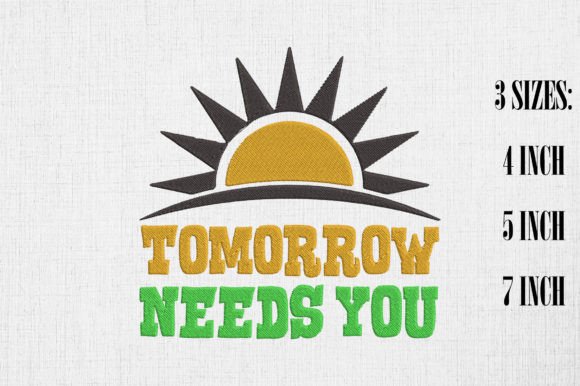
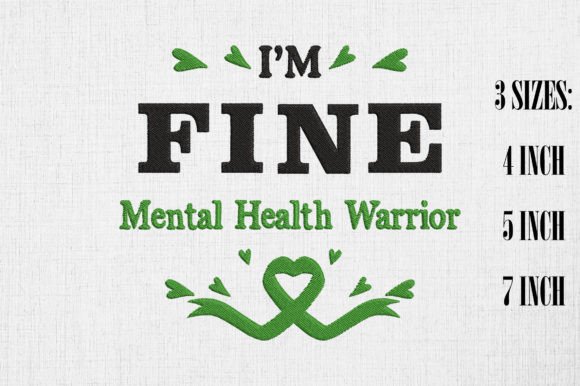
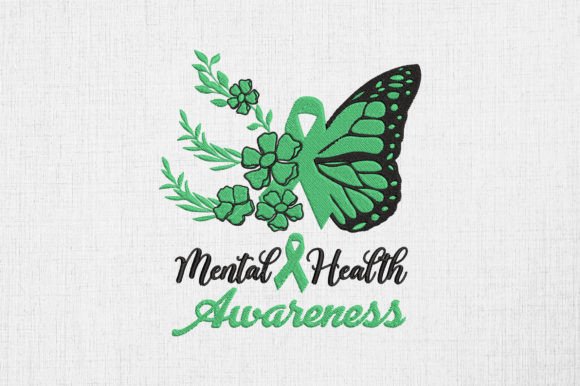
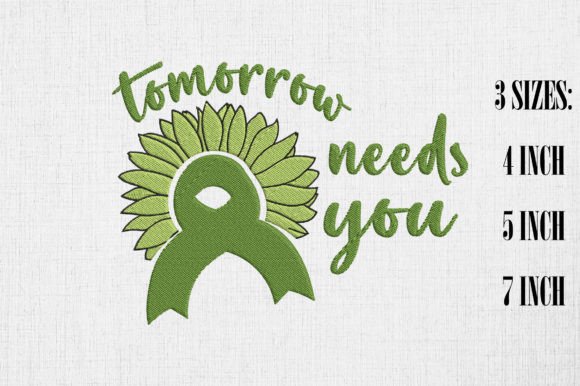
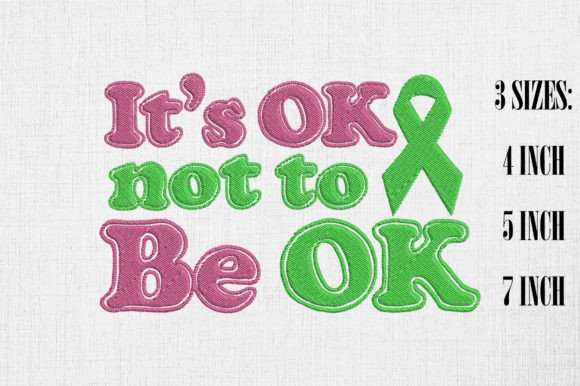
The immediate mood of this design is calming yet assertive. The layout avoids clutter, which is crucial when dealing with mental health messaging. In embroidery, less is often more because thread has texture and dimension. A busy design can become muddy after stitching, but this piece relies on clean lines and balanced spacing. The visual personality feels modern and approachable, making it suitable for a wide demographic. It does not scream for attention; instead, it invites a closer look. For an Etsy seller or craft business owner, this subtlety is a strength. It allows the wearer or user to engage with the message on their own terms, rather than feeling branded by a loud graphic.
Real-World Application: The Custom Tote Bag Test
To truly evaluate a digital embroidery file, you must imagine it on a physical object. I visualized this design on a heavy canvas tote bag design. Canvas is unforgiving; it shows every gap in coverage and every misaligned stitch. However, because this design likely utilizes a mix of fill stitch for emphasis and running stitch for outlines, it holds up well on textured surfaces. The message becomes a statement piece for daily use, turning a simple grocery bag into a conversation starter about mental wellness.
Beyond totes, consider sweatshirt embroidery. A crewneck sweatshirt provides a stable, thick fabric base that supports higher stitch density without puckering. Placing this design on the left chest or centered on the back creates a boutique-quality handmade product. Customers buying custom apparel for comfort and support will appreciate the softness of the thread against cotton blends. It transforms a basic garment into a personalized gift that carries weight and meaning.
Fabric Considerations and Stitching Clarity
While the design is versatile, fabric choice dictates success. On thin or stretchy fabrics, such as lightweight t-shirts or jersey dresses, stabilization is non-negotiable. Without a proper cut-away stabilizer, the tension from the stitches can distort the fabric, warping the letters and ruining the aesthetic. I recommend testing the design on scrap fabric first to gauge how the thread colors interact with the material. High-contrast combinations, like white thread on navy blue, enhance readability, while low-contrast choices may blend too much, losing the impact of the message.
For home decor, such as pillow covers or kitchen towels, the durability of the stitch matters. A finished product that will be washed frequently needs secure anchoring. If the design includes small details or tiny lettering, ensure your machine can handle the precision. Large hoops allow for better stability during stitching, but if you are working with a smaller hoop size, you may need to split the design or adjust the scaling. Always check the specific dimensions provided in the file package to ensure it fits your intended hoop without excessive trimming or re-hooping.
Commercial Viability for Small Shops
For small shop product lines, consistency is key. This design offers a professional look that builds customer trust. When buyers see clean, well-executed embroidery, they perceive higher value. This is essential for commercial embroidery ventures where margins depend on perceived quality. The design works well for holiday embroidery gifts, such as cozy blankets or decorative patches, because the message is timeless rather than seasonal. It also serves as an excellent applique design base if you wish to add fabric layers for texture, though the standalone stitched version is strong enough on its own.
When creating printable mockup assets for your online store, remember that thread reflects light differently than ink. A digital preview may look flat, but the actual embroidered patch or garment will have depth. Use high-quality photos that show the texture of the thread to give buyers an accurate expectation. This transparency reduces returns and increases satisfaction.
Technical Notes and Best Practices
Before committing to a large production run, always review the design assets thoroughly. Check the file formats included to ensure compatibility with your specific embroidery machine software. While many modern machines read multiple formats, having the correct native file can prevent conversion errors that alter stitch paths. Pay attention to the sequence of colors. Efficient color changes save time and reduce thread waste, which is vital for maintaining profitability in a craft business.
Inspect the design for dense areas. If certain parts of the text or graphics are heavily filled, consider using a lighter weight thread or adjusting the density settings in your software if you have editing capabilities. This prevents the fabric from becoming stiff or board-like. For curved surfaces like caps or hats, the design may need adjustment to account for the curvature. Standard flat embroidery may distort on a rounded cap, so test stitching on a similar curved form is advisable.
Final Verdict on Usability
The It s Okay Not to Be Okay Mental Health design is a solid addition to any embroidery file library focused on awareness and wellness. It balances aesthetic appeal with technical feasibility. It is not just a graphic; it is a tool for connection. Whether you are creating baby embroidery items for supportive parents, apron designs for healthcare workers, or scarves for personal use, this design integrates seamlessly. Its strength lies in its adaptability and emotional clarity. By respecting the technical requirements of fabric, stabilizer, and hoop size, you can produce a finished product that is both beautiful and meaningful. Always confirm licensing terms before selling items made with this design to ensure compliance with the creator’s usage rights. With careful execution, this piece will resonate with your audience and elevate your brand’s reputation for thoughtful, high-quality craftsmanship.