Reviewing the Cartoon Milk Cow Line Art for Craft Fairs
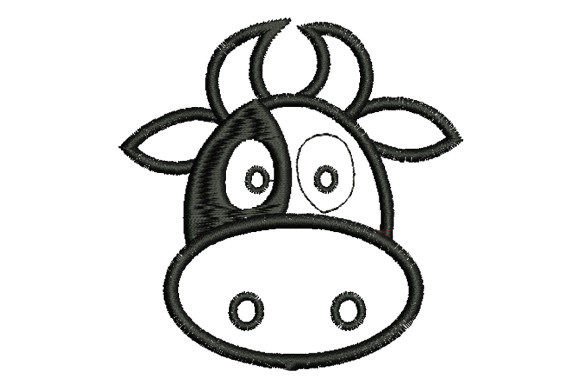
As an embroidery designer who spends half my life digitizing and the other half standing behind a booth table at weekend markets, I have learned that not every design translates well from screen to stitch. When I first pulled up the Cartoon Milk Cow Line Art in my software, I was looking for something that could carry a product line without overwhelming the fabric. This particular machine embroidery design caught my eye because of its clean, minimalist approach. It is not cluttered with excessive fills or complex shading. Instead, it relies on crisp outlines to define the character, which is a strategic choice for anyone selling handmade products.
The description notes that this milk cow embroidery is designed in a line-art cartoon style. For those of us in the business of creating small shop products, this style is incredibly versatile. It bridges the gap between rustic farmhouse charm and modern nursery decor. Whether you are an Etsy seller focusing on baby items or a boutique maker creating kitchen linens, this design offers a neutral yet engaging aesthetic. It fits squarely into the popular Farm Animals category but avoids the overly juvenile look that sometimes limits adult appeal.
First Impressions and Visual Appeal
The immediate impression of the Cartoon Milk Cow Line Art is one of approachability. It feels cute without being saccharine, and modern without being cold. In a craft fair setting, customers scan tables quickly. A design that is too dense can look heavy from a distance, while a design that is too sparse might get lost. This line-art style strikes a balance. It reads clearly as a cow, with distinct features that make it recognizable even from ten feet away. This clarity is crucial for booth display strength. When a potential buyer walks past your table, they need to understand the product instantly.
I appreciate that the design can be used as a logo for a farm, shop, or restaurant. This suggests a level of professionalism in the digitizing. It is not just a clipart conversion; it has been optimized for stitching. For embroidery business owners, this means the design maintains its integrity across different scales. It does not rely on tiny, fragile stitches that might break during washing or wear.
Product Versatility for the Handmade Market
One of the biggest challenges for creative entrepreneurs is finding a single digital embroidery file that works across multiple product types. The Cartoon Milk Cow Line Art excels here. I tested the concept mentally against several standard craft fair products, and the results were promising.
- Tote Bag Design: On a canvas tote, the line art stands out beautifully. The open spaces in the design allow the natural texture of the canvas to show through, giving the finished product a high-end, custom feel.
- Apron Embroidery: For kitchen aprons, this design adds a touch of whimsy. It works well on the bib area, serving as a focal point that is not too large to interfere with functionality.
- Tea Towel Embroidery: This is perhaps the strongest application. Linen or cotton tea towels benefit from lighter stitch density. The line-art style prevents the towel from becoming stiff or puckered, which is a common complaint with heavier embroidery.
- Embroidered Patch: If you are making iron-on patches, this design is ideal. The clear outlines create a defined border that is easy to cut around, whether you are using a laser cutter or scissors.
- Children’s Clothes: As mentioned in the product description, it is great for decorating children's clothes. On a denim jacket or a cotton onesie, the playful nature of the cow appeals to parents looking for unique, non-mass-produced items.
Beyond these, consider pillow covers and market bags. The design’s simplicity allows it to pair well with other elements, such as monograms or floral accents, making it a flexible asset for your design library.
Production Practicalities and Careful-Use Notes
While the design is robust, practical production requires attention to detail. As an experienced designer, I always advise checking specific technical details before running a full batch. Since the exact stitch count and file format are not specified in the brief description, you must verify these in the download package. However, based on the line-art style, we can infer certain production needs.
Stitch Density and Fabric Texture: Line art typically has lower stitch density than filled designs. This is advantageous for textured towels or thick fabrics like denim, as it reduces pull and distortion. However, on very loose-weave fabrics, you may need a cut-away stabilizer to ensure the lines remain crisp. Always test the design on scrap fabric that matches your final product material.
Thread Colors: Because the design relies on outlines, thread contrast is vital. A dark thread on a light fabric will pop, but a low-contrast combination might make the design disappear. For a premium look, consider using matte threads rather than shiny rayon, which can sometimes look cheap on simple line work.
Curved Surfaces and Caps: Embroidering on caps can be tricky. The curved surface of a cap can distort linear designs. Ensure you use the correct hoop size and a strong stabilizer. If the design includes any small details, check that they do not collapse when stitched on the curved panel.
Small Sizes: If you plan to use this as a small accent on a pocket or a cuff, verify that the lines do not become too thin to stitch cleanly. Some machines struggle with extremely fine lines at small scales. Create a real mockup at the smallest intended size to confirm clarity.
Boosting Sales and Brand Consistency
For Etsy sellers and digital sellers, the visual appeal of the Cartoon Milk Cow Line Art translates well into printable mockups. Clean lines photograph beautifully, allowing you to create crisp listing images that stand out in search results. This enhances buyer engagement and can lead to higher conversion rates.
From a branding perspective, using a consistent style like this helps build brand recognition. If your small shop product line features similar line-art animals, customers will begin to associate that clean, modern aesthetic with your brand. This consistency adds perceived value to your handmade product, allowing you to price your items competitively against mass-produced goods.
Before you list this as a commercial embroidery product, confirm the licensing terms. Ensure that the digital embroidery file includes commercial use rights if you plan to sell finished products. This is a critical step for any professional embroidery designer to avoid legal issues down the line.
Final Verdict for Craft Fair Sellers
The Cartoon Milk Cow Line Art is a solid addition to any embroidery designer’s toolkit. It is versatile, visually appealing, and practical for a wide range of applications. Whether you are stitching up tote bags for a summer fair or creating personalized gifts for the holiday season, this design offers the reliability and charm needed to succeed. Remember to test your tension, choose your stabilizer wisely, and let the simplicity of the line art shine. With careful execution, this design can become a staple in your best-selling inventory.