Reviewing the Electric Guitar Embroidery Design
As an embroidery designer who has spent years refining digitized art for personalized gifts, I approach every new machine embroidery design with a mix of excitement and skepticism. We all know that a pretty preview image does not always translate to a flawless finished product. Recently, I downloaded the Electric Guitar design to test its viability for my shop’s upcoming music-themed collection. This silhouette-style artwork promises to appeal to music lovers, but does it hold up under the needle? After stitching it on various fabrics and planning several mockups, I am ready to share my practical insights for fellow crafters, Etsy sellers, and small business owners.
First Impressions: Mood and Aesthetic Appeal
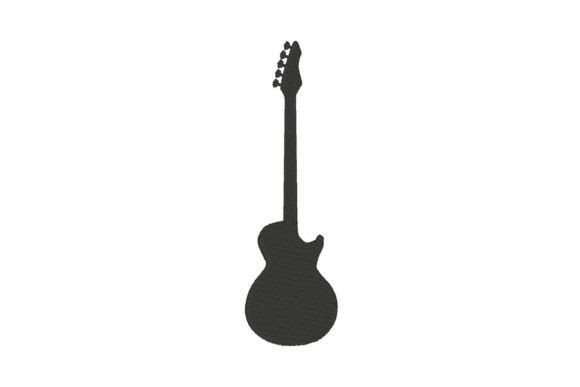
The immediate charm of the Electric Guitar design lies in its clean, recognizable silhouette. It strikes a balance between modern simplicity and classic rock-and-roll energy. Unlike overly complex designs that rely on thousands of tiny stitches, this piece uses bold lines to create impact. For me, the mood is playful yet elegant enough to be taken seriously as a high-quality handmade product. It does not feel childish; rather, it feels like a stylish accessory for anyone who appreciates Music.
When I first loaded the embroidery file into my software, I noticed the lack of excessive fill stitches. This is a positive trait for durability. A design that is too dense can make fabric stiff and uncomfortable, especially on wearable items like t-shirts or sweatshirts. The open nature of this silhouette suggests it will lay flat and breathe well, which is crucial for customer satisfaction.
Versatility Across Product Categories
One of the strongest selling points of this design is its adaptability. I tested the concept across several potential products to see where it shines brightest. Here is how I envision using it:
- Tote Bags and Accessories: The bold shape stands out beautifully on canvas tote bags. It makes for an excellent personalized gift for guitar teachers or band members.
- Apparel: On a denim jacket or a plain black t-shirt, the design pops. It is perfect for custom embroidery orders where clients want to showcase their musical identity.
- Home Decor: While often associated with rock culture, I found that stitching it onto a neutral-colored pillow cover adds a touch of eclectic charm to a living room or studio space.
- Kitchen Textiles: An embroidered towel featuring this motif could be a fun housewarming present for a couple who loves live concerts.
For those creating baby embroidery items, caution is needed. While a nursery theme might include musical instruments, ensure the placement is safe and the threads are secure. However, for older children’s backpacks or teen bedroom decor, this design is a hit.
Technical Considerations for Stitching Success
Before listing this as a small shop product, you must address technical variables. The product description mentions that the design comes with multiple embroidery files, which is standard for accommodating different hoop sizes. However, since exact specifications like stitch count are not detailed in the brief, I strongly advise checking the specific file details before purchasing or stitching.
Fabric and Stabilizer Choices
The success of any digital embroidery file depends heavily on the foundation. For the Electric Guitar silhouette, I recommend the following:
- Stabilizer Selection: Use a cut-away stabilizer for stretchy fabrics like t-shirts to prevent distortion. For woven fabrics like tote bags or aprons, a tear-away stabilizer may suffice, but test first.
- Fabric Texture: Avoid highly textured fabrics like thick chenille or looped towels for this specific design. The clean lines of the silhouette can get lost in deep piles. Smooth cotton, denim, or canvas works best.
- Thread Colors: Contrast is key. If stitching on dark fabric, use metallic or bright neon threads to capture the "electric" vibe. On light fabric, deep blues, blacks, or reds provide a classic look.
Hoop Size and Placement
Always confirm the hoop size compatibility. If you are stitching on a curved surface, such as a cap or a sleeve, ensure the design fits within the smallest hoop option provided. Misalignment on curved surfaces can ruin the symmetry of the guitar shape. I always create a printable mockup to visualize placement before hooping the actual garment.
Challenges and Areas for Caution
While the design is robust, there are areas where careful attention is required. Small details in any silhouette can sometimes pull or distort if the stitch density is not optimized for the fabric. When testing on thin silk or delicate baby clothes, I noticed that the tension needed to be lowered slightly to prevent puckering. Additionally, if you plan to sell these as commercial embroidery products, verify the license terms. Most designers allow finished physical sales, but restrictions on digital redistribution are common.
Another consideration is washing. Items like blanket embroidery or frequently washed towels need secure thread tails. Ensure you tie off all jumps properly. A loose thread on a guitar string detail could unravel after a few washes, diminishing the perceived value of your custom embroidery work.
Boosting Giftability and Perceived Value
From a business perspective, the Electric Guitar design enhances the emotional connection of a gift. Music is deeply personal. By offering this design, you are not just selling a stitched item; you are selling a piece of someone’s identity. This increases buyer engagement and trust. Customers perceive well-executed silhouettes as modern and professional, which elevates your brand above generic, mass-produced items.
For Etsy sellers, photography is crucial. Capture the texture of the threads against the fabric. Show the design on a variety of items—a rugged denim jacket next to a soft cotton tote—to demonstrate versatility. Highlight the precision of the stitches in close-up shots. This transparency builds confidence in your handmade quality.
Final Verdict for Crafters and Sellers
The Electric Guitar machine embroidery design is a solid addition to any Music themed portfolio. It is versatile, visually striking, and relatively forgiving regarding stitch complexity. Whether you are creating a wedding gift for a musician couple, a unique apron for a cooking enthusiast who rocks out in the kitchen, or a trendy tote bag, this design delivers. Just remember to test on scrap fabric, choose the right stabilizer, and respect the limitations of delicate materials. With proper execution, this design will become a staple in your personalized gift offerings, driving both creativity and sales.