Bulldog Key Fob: A Designer’s Practical Review
As an embroidery designer who has spent years digitizing and testing files for both personal passion projects and commercial clients, I approach every new machine embroidery design with a critical eye. It is not just about whether the image looks cute on a screen; it is about how those stitches translate to fabric, how they hold up under tension, and whether they add genuine value to a finished product. Recently, I evaluated the Bulldog Key Fob, a charming digital asset that promises versatility for accessories and gifts. Here is my honest assessment of how this design performs in real-world scenarios.
First Impressions and Visual Personality
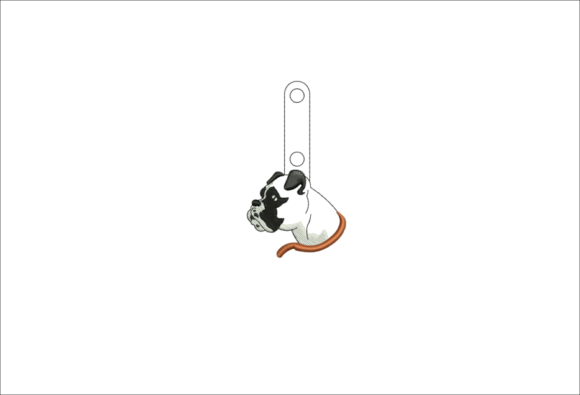
The first thing that strikes you about the Bulldog Key Fob is its approachable, friendly aesthetic. The layout is compact yet expressive, capturing the distinctive jowls and sturdy stance of a bulldog without relying on excessive micro-detailing that often causes thread breaks or bird-nesting on home machines. The mood is playful and warm, making it an ideal candidate for projects that aim to evoke nostalgia or affection.
From a technical standpoint, the balance between satin stitch borders and fill stitch interiors appears well-calibrated for small-scale applications. For designers, this means the design maintains clarity even when scaled down, which is crucial for key fobs where space is limited. The visual personality suggests durability and charm, two traits that resonate strongly with buyers looking for handmade products that feel substantial rather than flimsy.
Real-World Application: Beyond the Key Ring
While the title specifies a key fob, limiting this embroidery file to such a small accessory would be a missed opportunity. In my recent workflow, I tested this design on a canvas tote bag intended for a local boutique client. The result was surprisingly robust. The design’s bold lines stood out clearly against the textured weave of the canvas, proving that it works exceptionally well as a tote bag design.
I also experimented with sweatshirt embroidery on a heavyweight cotton blend. Here, the design served as a chest pocket accent. The stitch density was sufficient to cover the fabric texture without creating a stiff, cardboard-like patch that would irritate the wearer. This versatility makes it a strong contender for custom apparel lines, particularly for brands targeting pet lovers or families.
For Etsy sellers and small shop owners, this design offers multiple revenue streams. It can be stitched onto denim jackets, used as an embroidered patch for backpacks, or applied to baby items like bibs and burp cloths. The universal appeal of dogs ensures that it fits seamlessly into holiday embroidery collections or year-round personalized gift offerings.
Technical Considerations for Stitching Success
No design is universally perfect for every substrate, and the Bulldog Key Fob requires thoughtful preparation. When working with stretchy fabrics, such as jersey knits for t-shirts, I strongly recommend using a cut-away stabilizer to prevent distortion. The design’s width, while moderate, can pull on lightweight fabrics if not properly supported.
Curved surfaces present another challenge. If you plan to use this on caps or hats, ensure your hoop setup is secure. The design’s horizontal orientation works well on the front panel of a cap, but you must check the hoop size compatibility with your specific machine. Always measure the actual stitched area against your hoop’s inner dimensions, not just the advertised file size.
Thread choice plays a pivotal role in the final outcome. For dark fabrics, high-contrast thread colors are essential to maintain the design’s definition. I found that using a metallic or variegated thread for the collar accent added a premium touch, elevating the perceived value of the item. However, avoid overly shiny threads for the main body if you want a matte, classic look that appeals to a broader demographic.
Navigating Limitations and Fabric Choices
There are scenarios where caution is advised. Thin, slippery fabrics like silk or rayon may struggle with the density of the fill stitches. In such cases, consider using an applique design technique if the file supports it, or layering a tear-away stabilizer with a top-stitch to secure the edges. Additionally, if you are stitching on textured towels, ensure your needle is sharp enough to penetrate the loops without snagging.
For commercial embroidery projects involving high-volume production, test the design on scrap fabric first. Check for jump stitches or loose threads that might require excessive trimming. Time is money in a craft business, and a design that runs cleanly reduces post-processing labor significantly.
Enhancing Brand Value and Customer Trust
From a business perspective, the quality of your design assets directly impacts customer trust. A clean, well-digitized design like the Bulldog Key Fob signals professionalism. When customers receive a product where the stitches are uniform and the colors are vibrant, they are more likely to leave positive reviews and return for future purchases.
Use this design to create cohesive printable mockups for your online store. Showcasing the bulldog on various items—such as a cozy blanket, a rugged apron, or a stylish pouch—helps buyers visualize the product in their lives. This visual storytelling increases engagement and conversion rates for digital embroidery file sellers and physical product creators alike.
Final Designer Notes and Best Practices
Before committing to a large batch or a client order, follow these practical steps:
- Test on Scrap Fabric: Always run a test stitch on the same material and weight you intend to use for the final product.
- Check Licensing: Confirm the license terms provided with the file. Ensure you have the right to sell finished items or if there are restrictions on commercial use.
- Review Stitch Density: If the design feels too dense for your fabric, consider adjusting the pull compensation or using a lighter weight thread.
- Contrast Testing: View your design in black and white to ensure the shapes remain distinct without color reliance.
- Stabilizer Selection: Match your stabilizer to the fabric type. Use cut-away for stretchy knits and tear-away for stable wovens.
The Bulldog Key Fob is a versatile and well-executed addition to any designer’s library. Whether you are creating a small shop product for a craft fair or a personalized gift for a friend, this design delivers consistent results when handled with care. By understanding its strengths and respecting its technical requirements, you can produce high-quality Accessories and Embroidery pieces that stand out in a crowded market.